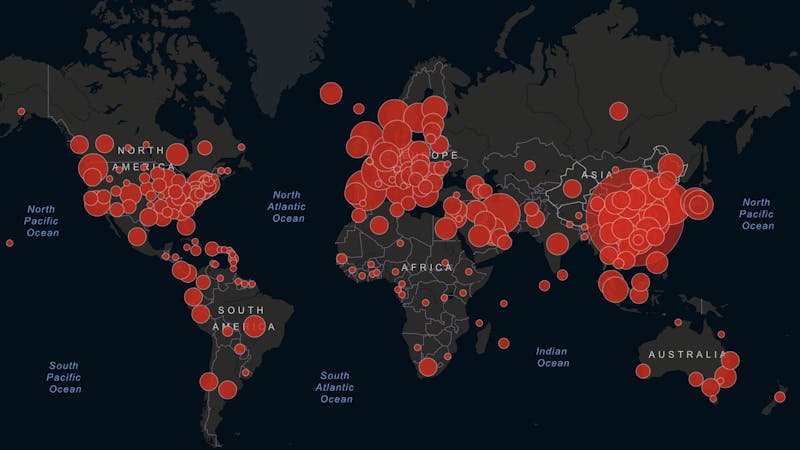
With the COVID-19 pandemic sweeping the globe and regions imposing travel bans and even quarantines, it helps to be prepared for anything that might unfold in the days and weeks ahead. Some people are self-isolating for two weeks to try to help break the chain of coronavirus transmission.
TV coverage shows people stocking up on pasta, rice, and beans, and other high-carb, shelf-stable supplies. (And, yes panicked purchases of toilet paper.)
But if you are eating low-carb or keto, what do you need to do to keep you and your family safe? What food should you have on hand in your pantry, fridge and freezer?
Here are Diet Doctor’s top six recommendations for COVID-19 preparedness:
Don’t wait for governments or local health authorities to impose restrictions and quarantines. Do your bit now to help stop the spread of the virus and flatten the curve of spread. That means:
If your country or region has any confirmed cases of COVID-19, assume that the novel coronavirus has quietly been circulating for days or weeks now.
At Diet Doctor, we’ve made decisions to do our part to break the chain of disease transmission. We cancelled all international travel, cancelled our presence at Low Carb Denver 2020, and have instructed all employees to work from home for two weeks.
Such social distancing will flatten the curve of geometric increase in the number of cases, will reduce the chance that our hospitals and ICUs get overwhelmed, and will help reduce the need to adopt more drastic emergency prep and actions later.
Since the pandemic is unlikely to cause disruption to power, you can stock your fridge and freezer to get your family through a few weeks of voluntary self-isolation or an imposed quarantine.
Some reports show people stocking up on products like Spam and canned meat products, but remember, there is no need to buy food you don’t like and would never eat in normal situations just because the coronavirus is circulating.
Shop as normal for your fridge. Considering using the Diet Doctor meal planner, with shopping lists for two weeks of recipes as your guide.
In general, it helps to pick up these low-carb staples:
If any of the items in your fridge are near their expiration dates, considering portioning them into smaller sizes and storing them in the freezer.
Broccoli and cauliflower florets can be blanched and frozen. Zucchini can be spiralized or grated and stored for months in the freezer for use as a base for pasta sauce, or as an ingredient in soups or casseroles.
Consider buying any of the following:
For ease of use, portion anything you want to freeze into common recipe or serving sizes so you can thaw and use as needed.
As well, every time you make a Diet Doctor casserole recipe, consider freezing some extra servings to thaw for later use.
A number of shelf-stable items are handy to have in good supply. You don’t need them all, but think of the ones you might like to use based on your personal preferences.
It is frustrating and wasteful to have to throw out good food, especially if it becomes difficult to shop for more.
A simple trick is to make a list of all food items in your pantry, fridge and freezer and note their expiry dates. Tack it to your fridge. Then as you are planning your meals, aim to incorporate items before they expire.
As you cross off the list of items, you then easily know what you need to replenish when you can shop again.
As noted above, you can also plan to freeze items as they approach their expiry dates, but do remember to note new freezer items on your expiry date list so you eventually use them, too.
You will need to think about what non-food supplies you must have on hand. These could include:
Fortunately, COVID-19 is not likely to disrupt power supplies or contaminate water, so unlike most emergency prep kits, you don’t need to stock up on bottled water or water purifications supplies.
There is also no need for flashlights, batteries, candles, matches, a battery-operated radio and other essentials for power-grid disruptions. But do note that for future emergencies, it is always wise to have these items on hand.
Stay calm, stay safe and stay healthy!
This is serious. We may need to take some fairly extreme measures today, to avoid or reduce a disaster caused by the coronavirus. Here’s what that could mean for the next few weeks or months.
GuideCan you boost your immune system to fight the coronavirus? Here’s what you need to know.

 , medical review by Dr. Bret Scher, MD
 in Low carb & high fat