Keto vegetables – the best and the worst
 , medical review by Dr. Bret Scher, MD
 Evidence based
What vegetables can you have on a keto diet? The good news is that plenty of nutritious vegetables are low enough in carbs to fit into a ketogenic lifestyle.
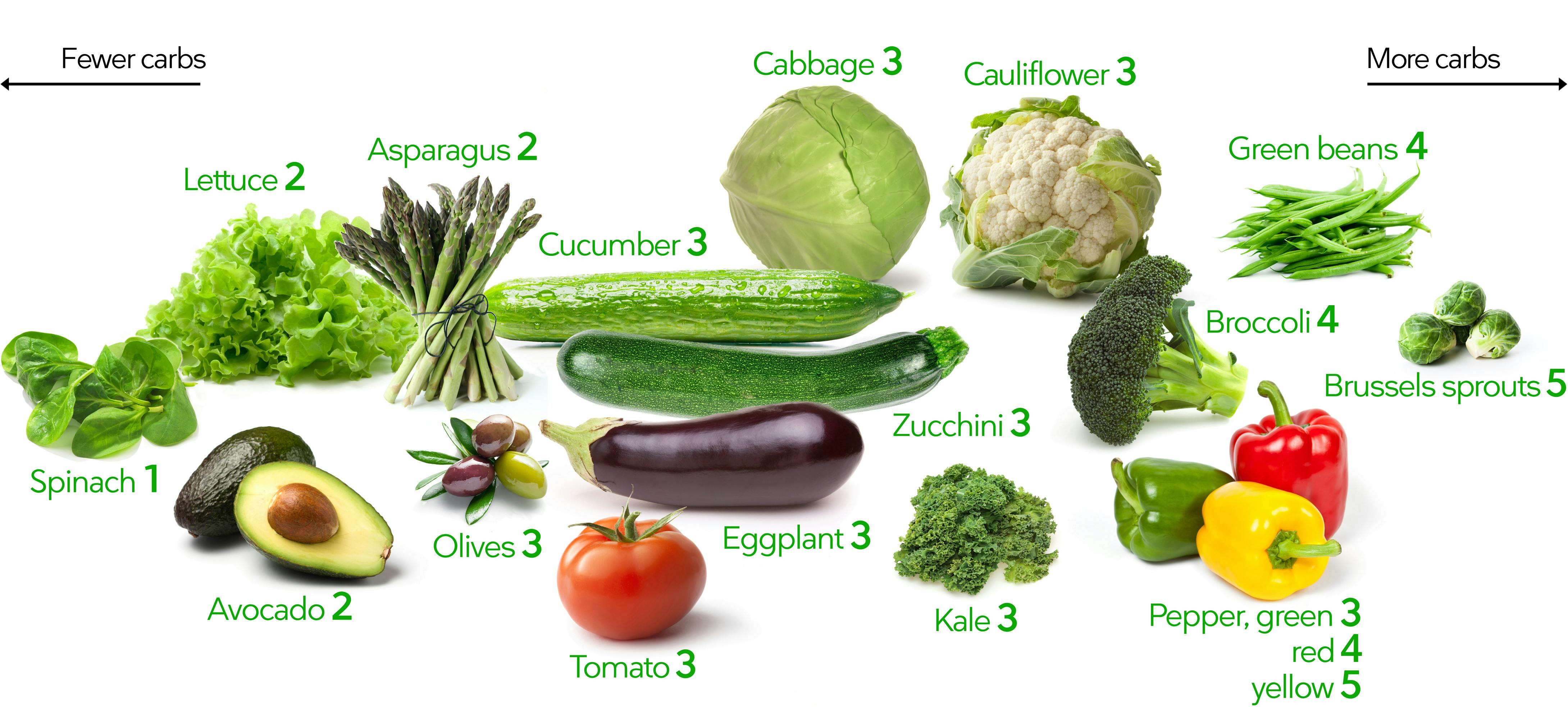
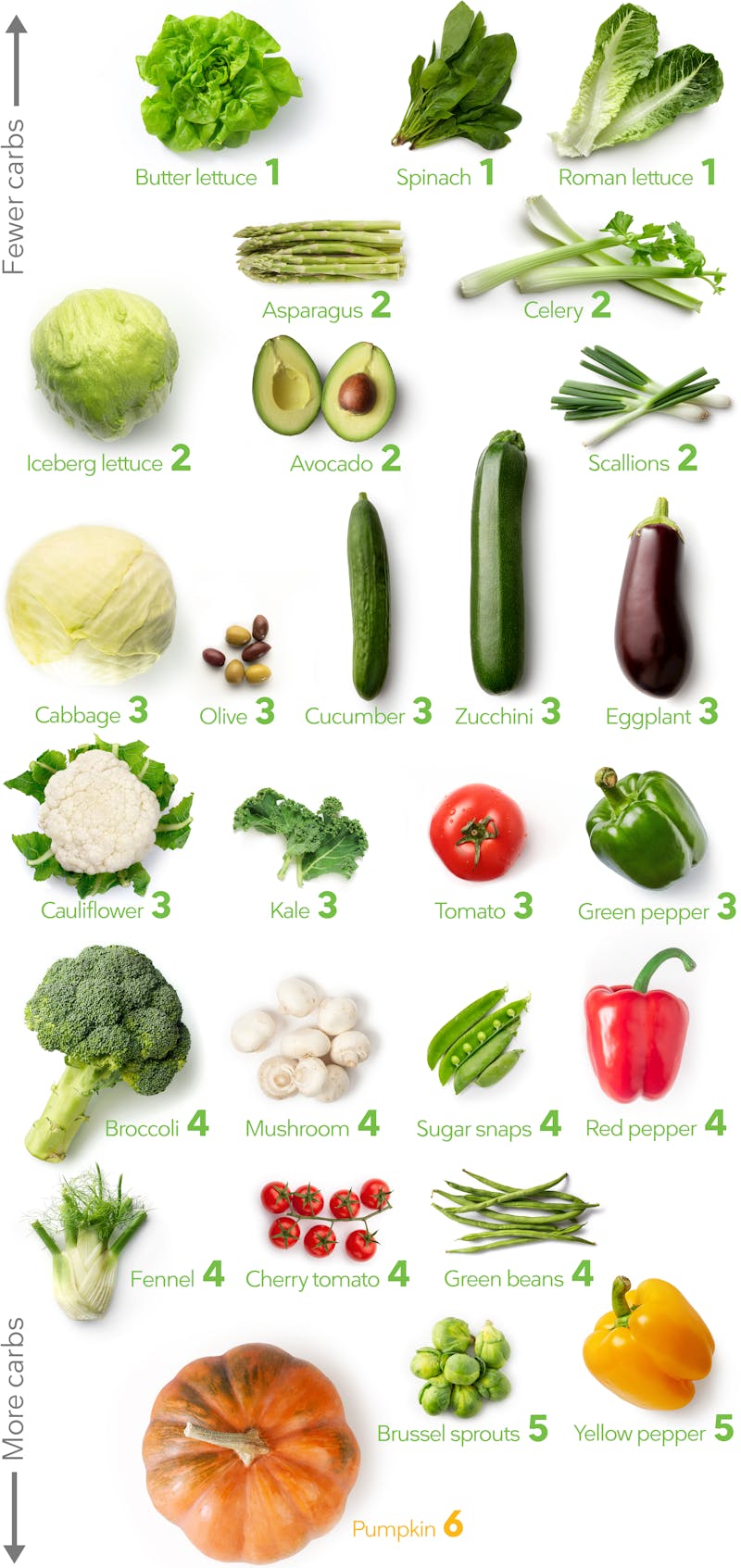
The best keto vegetables are generally leafy greens and other above-ground vegetables, including spinach, zucchini, cauliflower, broccoli, cabbage, asparagus, cucumber, mushrooms, and green beans. Most contain fewer than 5 grams of net carbs per 100 grams.
Root vegetables tend to contain more carbohydrates. Potatoes, sweet potatoes, parsnips, and similar vegetables can quickly use up a strict keto allowance of around 20 grams of net carbs per day.
However, the above-ground rule has exceptions, and portion size matters. Tomatoes, onions, carrots, bell peppers, and Brussels sprouts can all fit into a keto diet in appropriate amounts.
In this guide, you’ll find the net carb counts of common vegetables, the best and worst choices for keto, recommended serving sizes, and practical ways to use low-carb vegetables in meals.
What are the best vegetables for a keto diet?
- Best choices: Leafy greens, zucchini, cauliflower, broccoli, cabbage, asparagus, cucumber, mushrooms, and green beans.
- General guideline: Choose vegetables with fewer than 5 grams of net carbs per 100 grams.
- Vegetables to limit: Carrots, onions, bell peppers, tomatoes, Brussels sprouts, rutabaga, and beets.
- Vegetables usually avoided on strict keto: Potatoes, sweet potatoes, parsnips, corn, and most legumes.
- Strict keto target: Many people aim to stay below 20 grams of net carbs per day.
Above ground
Carb counts are provided as net carbs per 100-gram (3½-ounce) serving.12 The options to the left are solid keto vegetables.The options at the top are solid keto vegetables.
Below ground
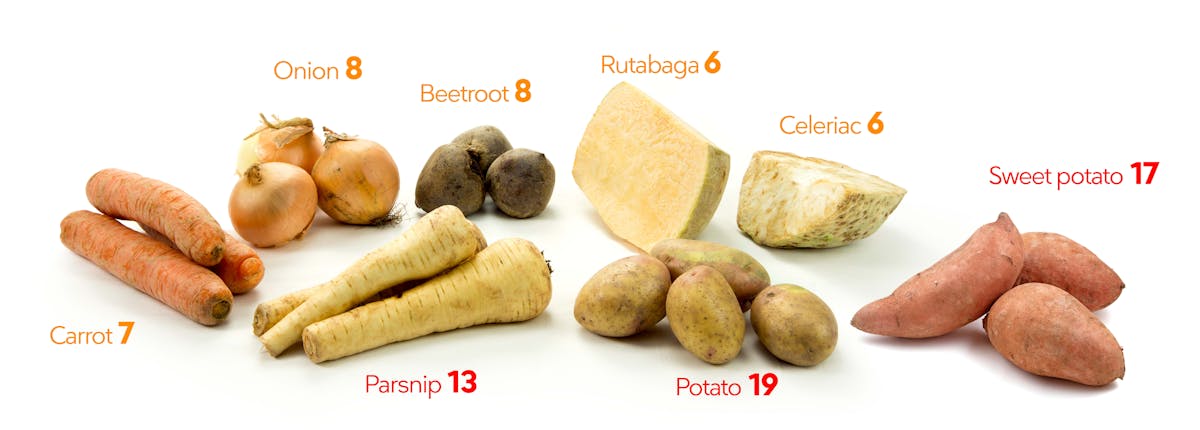
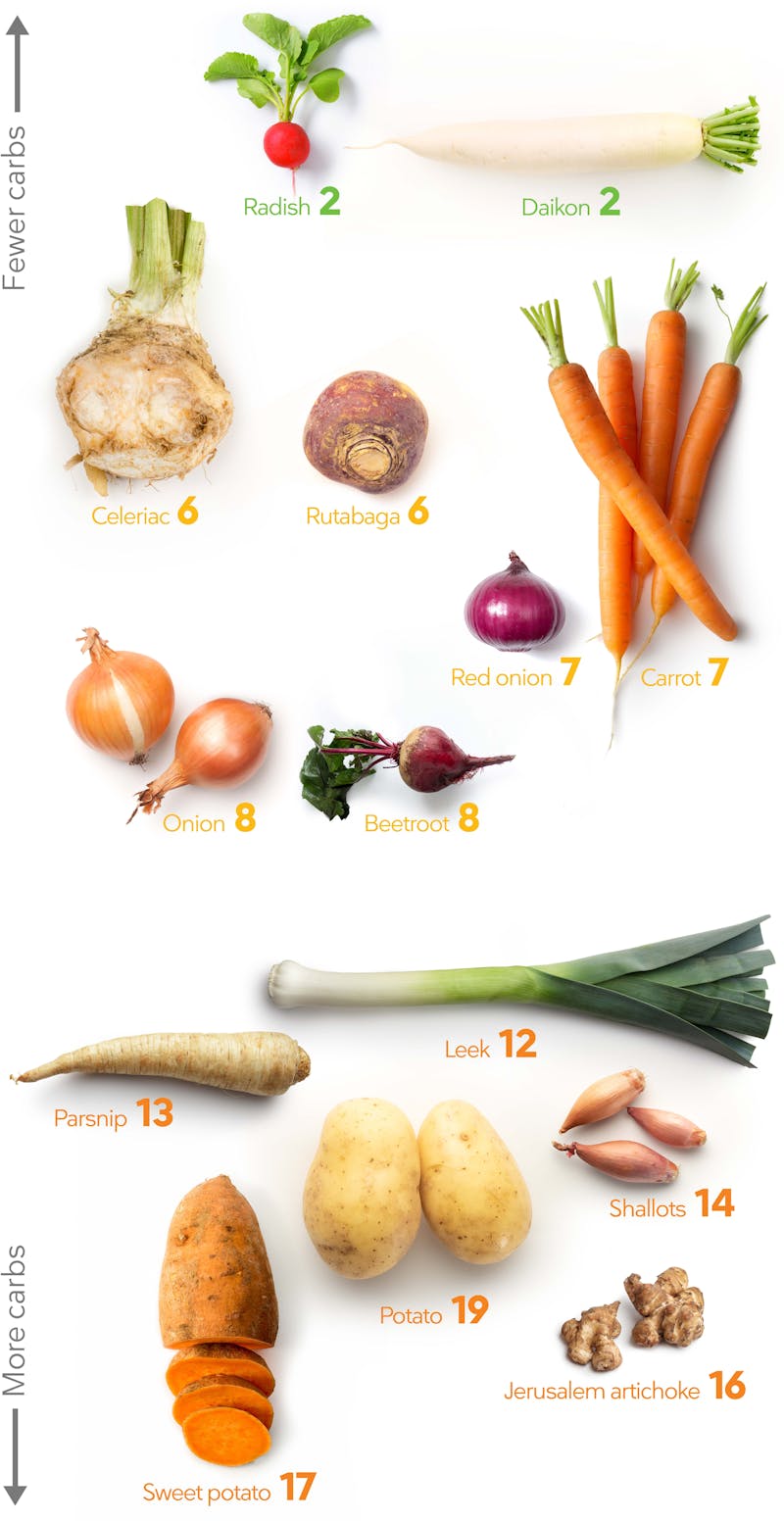
Note that while the below-ground vegetables range from 6 to 19 grams of net carbs per 100 grams, the above-ground vegetables are all under 5 grams of net carbs per 100 gram serving. Quite a difference!
A word about onions: while they grow below ground and are higher carb, they can be added to foods as a seasoning because you generally won’t eat too many at once.
Be careful of caramelized or sautéed onions, as these are easier to consume in larger amounts. Green onions, or scallions, can be used to top salads or other dishes in modest amounts.
Vegetables on keto
All foods are made up of macronutrients – carbs, protein, and fat. While meat and most dairy mainly provide protein or fat, vegetables contain mostly carbs.
On a strict ketogenic diet, with fewer than 5% of calories from carbs, it’s important to know which veggies are the lowest in carbs, particularly if your goal is to consume fewer than 20 grams of carbs per day.
Vegetables with less than 5 grams of net carbs may be eaten relatively freely. It’s hard to overeat spinach, zucchini, lettuce, cucumbers, cabbage, asparagus and kale on a keto diet. These are considered keto vegetables.
Be more careful with slightly higher-carb vegetables like bell peppers (especially red and yellow ones), brussels sprouts and green beans to stay under 20 grams of carbs a day. The carbs can add up. For instance, a medium-size pepper has 4-7 grams of carbs.
While tomatoes are technically a fruit, they can work on a keto diet. But again, their carbs are a bit higher. When combined with other foods, you may exceed 20 grams of net carbs a day if you consume too many tomatoes.
If you are doing a more moderate or liberal low carb diet that allows more than 20 grams of carbs a day, you can eat as many above-ground vegetables as you desire.
Other helpful guidelines
Here are two more general rules that can help you choose lower-carb and keto vegetables:
- In general, keto-friendly veggies are those with leaves — all types of lettuce, spinach and other greens are good ketogenic options.
- Green vegetables tend to be lower in carbs than veggies with a lot of color. For example, green cabbage is lower in carbs than purple cabbage. Green bell peppers are also somewhat lower in carbs than red or yellow peppers.
Vegetables and fat
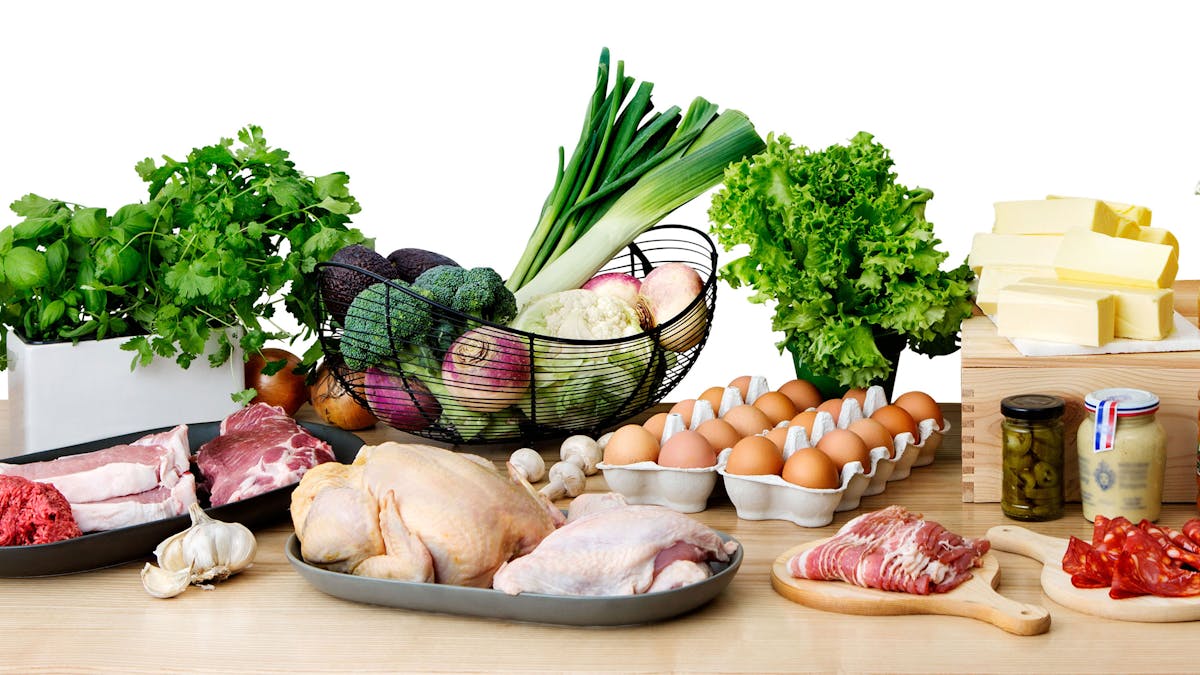
You can use keto vegetables as a vehicle for fat by seasoning cooked vegetables with butter. Better yet, sauté or roast them in lard, coconut oil, avocado oil, or ghee.3 If you eat dairy, you can make a cream sauce with heavy cream, cheese, and/or cream cheese.
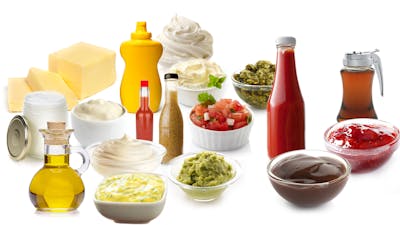
Another excellent way to add fat to vegetables is by dipping them in salad dressings or other dipping sauces, or simply adding olive oil to your salad.
If you want to lose weight, try not to go overboard with fat. For best results, you may want to let your body burn excess body fat instead of extra added dietary fat. In this case, just eat enough fat to prevent hunger.
Learn more in our guides on how much fat you should eat, and our take on the best and worst fats and sauces
Top 10 keto vegetables
- Cauliflower – 3 g. Mild flavor and so versatile. Use it as base of staples like cauliflower rice and cauliflower mash. Have a look at our top 18 cauliflower recipes
- Avocado – 2 g. Technically a fruit, but loaded with nutrients and healthy fat. 6 Great sliced, mashed as guacamole, or even baked. Here are some great avocado recipes
- Broccoli – 4 g. Swap it for pasta, rice or potatoes. It can be steamed, fried in butter, drizzled in cheese sauce, roasted with bacon, baked au gratin and more. Check out these recipes
- Cabbage – 3 g. Delicious when sautéed in butter or used in our popular Asian cabbage stir fry. See more of our top cabbage recipes
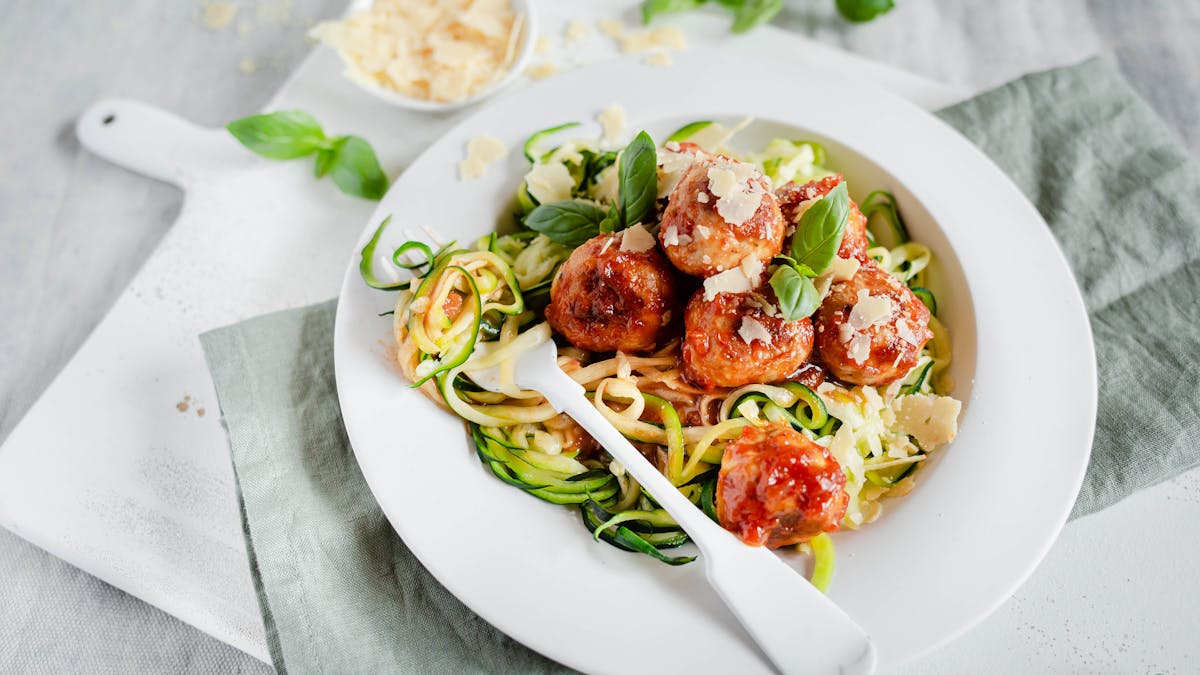
- Zucchini – 3 g. Miss potatoes? Try our zucchini fries or zucchini chips. Zucchini can also be spiralized to make keto pasta, like in this keto carbonara. More recipes
- Spinach – 1 g. Extremely low in carbs, it can be used raw in salads, baked into chips, sautéed, or creamed. Check out our popular keto frittata with fresh spinach or many other spinach recipes
- Asparagus – 2 g. Filling, highly nutritious, and very low carb, asparagus was made for a high-fat sauce such as hollandaise or béarnaise. Top recipes
- Kale – 3 g. Although slightly higher carb than spinach, kale is a flavorful veggie. Enjoy it raw in salads, bake into chips, sauté in lard, or use as a base instead of pasta. Recipes
- Green beans – 4 g. Green beans can be roasted, steamed, or stewed, but may taste even better cooked in bacon fat or butter. Recipes
- Brussels sprouts – 5 g. Baby cabbages are excellent roasted until crispy or served in a creamy sauce. Recipes
Keto crudités
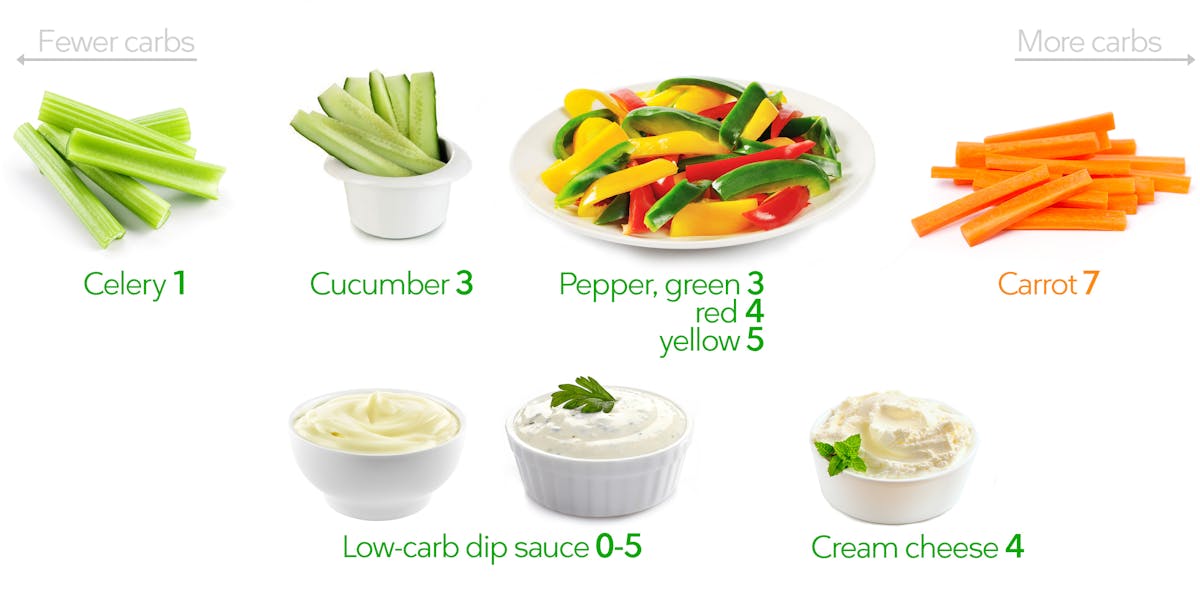
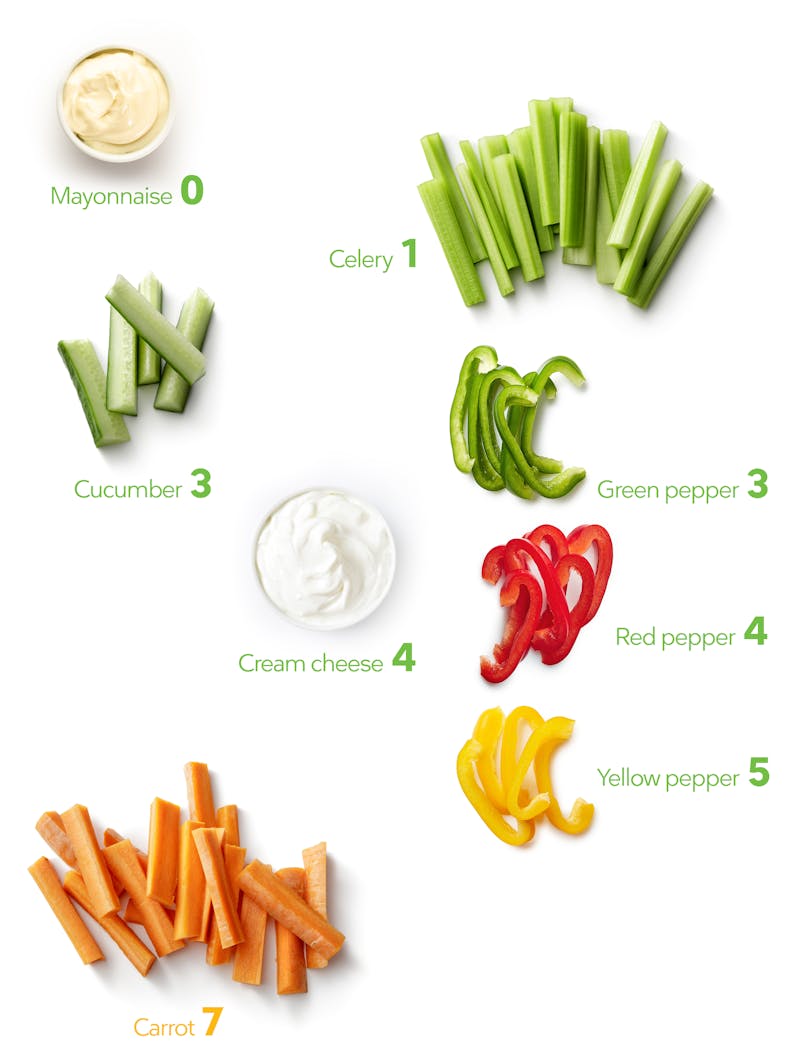
Veggie sticks, or crudités, with a high-fat dipping sauce are good keto choices for snacks and pre-dinner appetizers. Be careful with carrots, though — their carbs do add up.
Dip: Dipping keto vegetables in a savory dip, cream cheese, or herbed sour cream is a great way to eat higher fat, should you want to. Top recipes:


Legumes, corn and quinoa
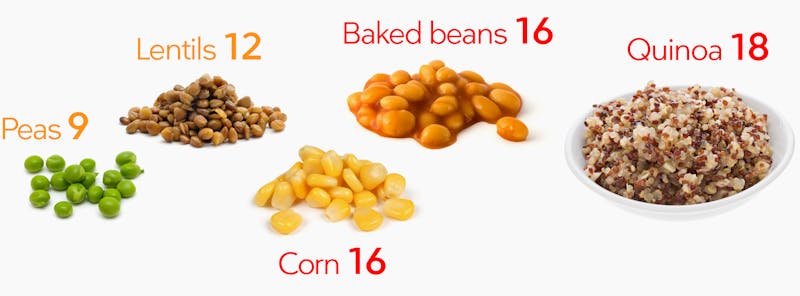
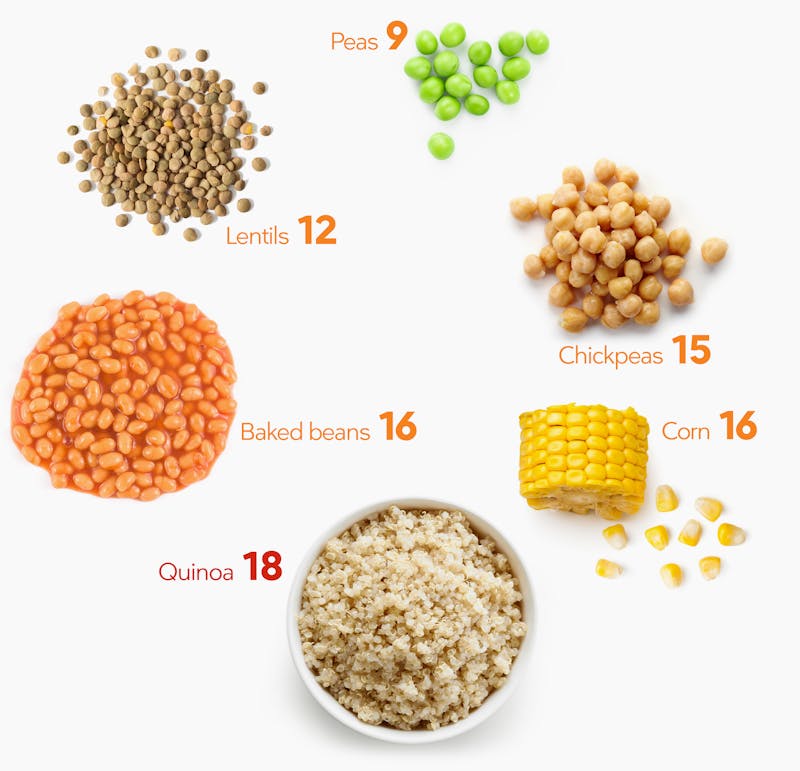
Although they all grow above ground, legumes like peas, beans and lentils are all fairly high in carbs, as are grains like corn and quinoa. So they aren’t good keto options.7 If you are keeping below the recommended 20 grams of carbs a day on keto, avoid eating them.8
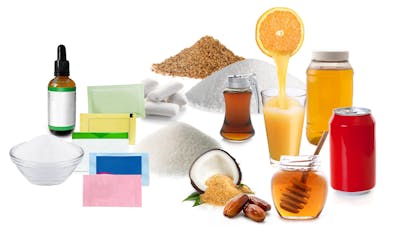
Grains and sugar
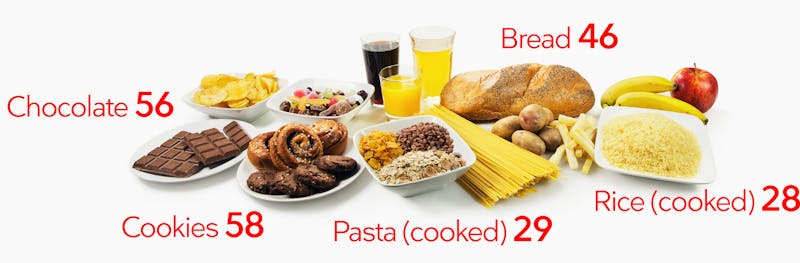
Keto vegetable recipes
Top cauliflower recipes
Cauliflower may be the most popular keto vegetable of all. Here are our top cauliflower recipes:





Top cabbage recipes
Cabbage is another very versatile keto vegetable. Here are our top cabbage recipes:




Keto vegetables – the best and the worst - the evidence
This guide is written by Dr. Andreas Eenfeldt, MD and was last updated on July 27, 2026. It was medically reviewed by Dr. Bret Scher, MD on November 23, 2020.
The guide contains scientific references. You can find these in the notes throughout the text, and click the links to read the peer-reviewed scientific papers. When appropriate we include a grading of the strength of the evidence, with a link to our policy on this. Our evidence-based guides are updated at least once per year to reflect and reference the latest science on the topic.
All our evidence-based health guides are written or reviewed by medical doctors who are experts on the topic. To stay unbiased we show no ads, sell no physical products, and take no money from the industry. We're fully funded by the people, via an optional membership. Most information at Diet Doctor is free forever.
Read more about our policies and work with evidence-based guides, nutritional controversies, our editorial team, and our medical review board.
Should you find any inaccuracy in this guide, please email andreas@dietdoctor.com.
Net carbs = digestible carbs, or total carbs minus fiber ↩
The numbers are for uncooked vegetables. The carb content per 100 grams is slightly lower in cooked form.
For example, while raw broccoli has about 4 grams of net carbs per 100 grams, cooked broccoli has about 3 grams. The main reason for this difference is an increase in water content in cooked vegetables.
The numbers are taken from online databases, like the USDA database. There are minor differences between these databases. This may be because carb content varies among different breeds of vegetables, and there can also be seasonal variation.
In cases where there are significant differences between databases we have attempted to choose a median value. ↩
The fear of saturated fats, like butter and lard, appears to be misguided. Although still considered controversial, several large systematic reviews of human trials have found no evidence that eating foods high in saturated fat increases the risk of heart disease or other health problems:
British Medical Journal 2016: Re-evaluation of the traditional diet-heart hypothesis: analysis of recovered data from Minnesota Coronary Experiment (1968-73) [systematic review of randomized trials; strong evidence]
Nutrition Journal 2017: The effect of replacing saturated fat with mostly n-6 polyunsaturated fat on coronary heart disease; a meta-analysis of randomized controlled trials [strong evidence]
You can learn more in our complete guide to saturated fat. ↩
Vegetables are generally considered very healthy, possibly because of the vitamins and minerals they contain. However, the potential healthiness of eating vegetables is mainly based on weak observational data, so it’s hard to know for sure:
British Medical Journal 2014: Fruit and vegetable consumption and mortality from all causes, cardiovascular disease, and cancer: systematic review and dose-response meta-analysis of prospective cohort studies [weak evidence for a modest positive effect of eating vegetables on heart health and longevity]
You can learn more in our guide, Do you need to eat fruits and vegetables? ↩
The ranking is somewhat subjective, and open for debate. ↩
Furthermore, grains are usually not considered vegetables at all, as they are the seeds of grasses:
The recommendation to stay below 20 grams of carbs a day on keto is mainly based on the consistent experience of experienced practitioners, and stories from people trying different levels of carb restriction [weak evidence].
One small study showed that in healthy volunteers, diets of 20 and 50 grams of carbs promoted ketosis with equal success. However, it’s unknown whether this would be the case for individuals with obesity, metabolic syndrome or type 2 diabetes.
Furthermore, so far no RCT has tested health outcomes of two low-carb diets of varying strictness head to head. But RCTs of strict low-carb diets seem to often show better results, compared to RCTs of more moderate or liberal low-carb diets.
Even foods made from whole wheat or other whole grain flour are relatively rapidly digested and raise blood glucose quickly, though in some cases slightly more gradually than foods made from white flour:
The American Journal of Clinical Nutrition 2018: The effects of whole-grain compared with refined wheat, rice, and rye on the postprandial blood glucose response: a systematic review and meta-analysis of randomized controlled trials [strong evidence]
Journal of the American Medical Association 2002: The glycemic index. Physiological mechanisms relating to obesity, diabetes, and cardiovascular disease [overview article]
British Medical Journal 1980: Rate of digestion of foods and postprandial glycaemia in normal and diabetic subjects [weak evidence]
↩High-fructose corn syrup is slightly higher in fructose compared to regular sugar. Fructose – in excessive quantities – may have worse long-term metabolic effects than other carbohydrates:
The Journal of Clinical Investigation 2009: Consuming fructose-sweetened, not glucose-sweetened, beverages increases visceral adiposity and lipids and decreases insulin sensitivity in overweight/obese humans [weak evidence]
Nutrients 2017: Fructose consumption, lipogenesis, and non-alcoholic fatty liver disease [overview article]
JAMA 2013: Effects of fructose vs glucose on regional cerebral blood flow in brain regions involved with appetite and reward pathways [weak evidence] ↩