Which low-carb diet is right for you — a higher protein version or a higher fat version? The answer depends on your health conditions and your health goals.
Recently, Diet Doctor has been promoting higher protein, low-carb options to help maximize weight loss, prevent stalls, and improve body composition by reducing body fat.
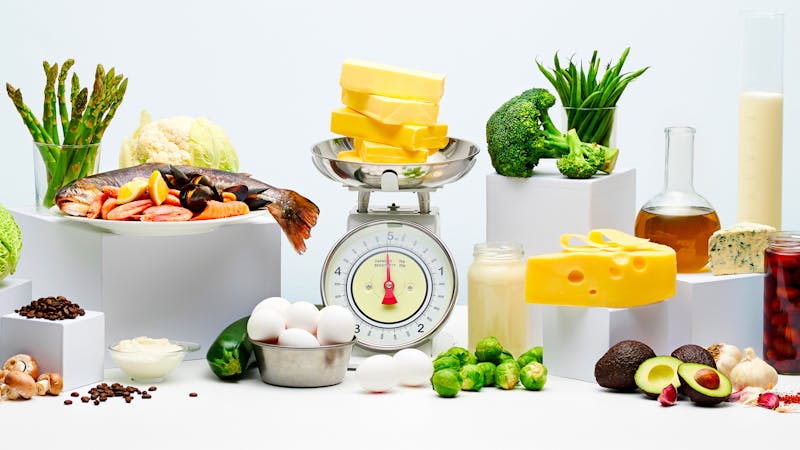
But some people might want to stick to a low-carb keto diet that focuses on higher fat and moderate protein.
Is that you?
As our guide on ketogenic diets for migraines and cluster headaches explains, their causes are not completely known. But it is thought that, like epilepsy, inflammation, chemical imbalance, and brain energy deficits may be at play.
Strong evidence has existed for more than a century that high-fat keto diets can help reduce the frequency and intensity of epileptic seizures.
Recently, keto diets are being researched to see whether they can have similar results with migraines and cluster headaches. Anecdotal evidence is also growing that a high-fat keto diet can reduce headache frequency.
So if headache treatment or neurological improvements are at the top of your health goal list, read our migraine and cluster headache guide to determine if a low-carb, higher-fat keto approach is right for you.
Diet Doctor, in its recipes, meal plans, and evidence-based information, will help empower you to experiment to find the level of fat and protein that get the best results for you, while keeping your carbs low.
Diet Doctor team tries higher protein
GuideIf you suffer frequent migraine or cluster headaches, a keto diet with higher fat may reduce their frequency. Our evidence-based guide explores what is known and not known about ketogenic diets for migraine and cluster headache prevention.
GuideA keto diet is a very low-carb, high-fat diet. You eat fewer carbs and replace it with fat, resulting in a state called ketosis. Get started on keto with delicious recipes, amazing meal plans, health advice, and inspiring videos to help you succeed.
GuideIt is not at all uncommon for people to be skeptical of a low-carb diet in the beginning, especially since high-carb, low-fat advice has been so prevalent for decades.